Coil loading frequently becomes the primary bottleneck when operating a Slitting Machine. It directly impacts machine uptime, overall material yield, and operator safety on the factory floor. Upgrading from a purely manual loading process to automated or semi-automated systems presents a significant operational choice. You must balance the initial capital expenditure against the potential for faster changeover speeds and substantial risk reduction.
This definitive guide explores the standard operating procedures for effectively loading heavy coils onto your equipment. We cover material-specific handling techniques to prevent core damage and improve daily efficiency. You will also learn how to properly evaluate modern loading features before purchasing new equipment. We provide actionable insights to streamline your workflow, protect your workforce, and elevate your facility's daily throughput seamlessly.
Key Takeaways
- Standardizing the coil loading sequence reduces changeover times and prevents edge damage or material telescoping.
- Choosing between shafted and shaftless unwinds depends on your facility's lifting infrastructure, core variability, and production speed requirements.
- Investing in an automatic paper roll slitting machine or an automatic plastic film slitting machine can reduce physical loading strain and cut setup times by up to 40%.
- Proper evaluation of loading mechanisms requires assessing your heaviest coil weights, core materials, and the ergonomic safety of your operators.
The Business Impact of Coil Loading and Setup Efficiency
Manual loading processes often hide massive operational inefficiencies within your facility. They degrade your Overall Equipment Effectiveness (OEE) significantly day after day. Every minute spent wrestling a master roll translates directly into lost production time. High-friction, manual alignment tasks contribute heavily to this hidden downtime. Operators lose valuable minutes adjusting hoists rather than running production.
Operators face severe safety risks when handling heavy master rolls manually. Crush injuries, pinched fingers, and long-term ergonomic strain remain common threats on the converting floor. Regional industrial safety organizations demand strict compliance to prevent these exact workplace incidents. Ignoring these critical guidelines exposes your facility to severe regulatory penalties. It also increases the likelihood of costly worker compensation claims.
Material waste is another major consequence of poor setup during the unwinding phase. Improper alignment creates instant tracking problems as the machine accelerates. Incorrect initial tension ruins the delicate edge quality of the advancing web. This leads to immediate yield loss before the first finished roll reaches the rewinder.
Upgrading your facility equipment solves many of these foundational workflow issues. Transitioning to an Automatic Paper Slitting Rewinding Machine reduces highly intensive labor hours. It minimizes material waste through automated precision alignment. These daily operational gains quickly boost your return on investment by maximizing available machine hours.
Step-by-Step SOP: How to Safely Load a Coil Onto a Slitting Machine
Standardizing your loading procedure guarantees safer shifts and prevents costly material damage. Follow these sequential steps for optimal daily performance.
- Pre-Loading Inspection: Verify the master roll specifications against the load-bearing limits of your unwind stand. Inspect the cardboard or plastic core thoroughly before lifting. Look for crushing damage, delamination, or moisture swelling. A compromised core causes chuck slippage at high running speeds.
- Transport and Staging: Utilize overhead bridge cranes, roll pushers, or specialized clamp forklifts safely. Move the heavy coil precisely to the unwind station staging zone. Keep all non-essential personnel completely clear of the heavy travel path.
- Chucking and Alignment: Insert the pneumatic air shaft carefully if utilizing a shafted system. For shaftless systems, align the steel hydraulic chucks evenly with the core ends. Ensure the coil sits perfectly centered on the machine axis. Proper centering minimizes lateral web guide adjustments later in the run.
- Web Threading and Splicing: Route the raw material safely through the machine path. Pass it over the tension idle rollers, through the nip rollers, and carefully past the slitter knives. Secure the web tightly and evenly to the waiting rewinder cores using appropriate splicing tape.
- Tension Calibration: Set the initial unwind brake tension correctly on your control panel. Base this critical setting on the specific material caliper, web width, and overall roll diameter. Applying too much initial brake pressure snaps delicate webs instantly.
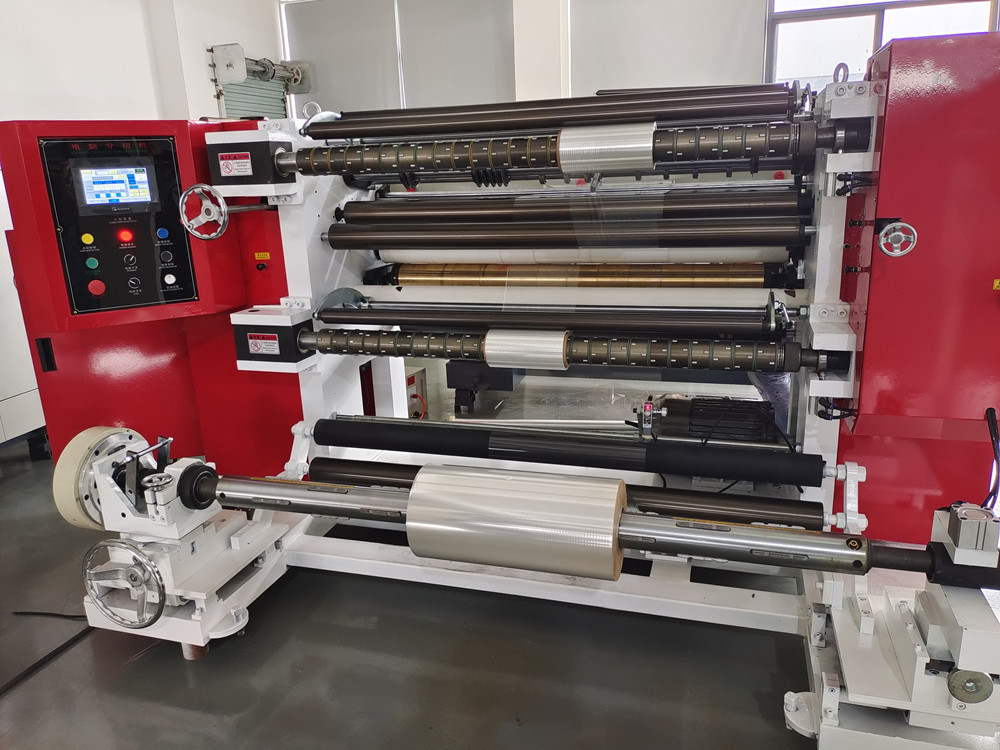
Evaluating Slitting Machine Loading Mechanisms (Shafted vs. Shaftless)
Selecting the right unwinding mechanism determines the physical toll on your team. You must evaluate the core lifting mechanisms based on your typical production runs.
| Feature | Shafted Unwinds | Shaftless Unwinds |
| Core Support | Uses a single expandable air shaft spanning the core. | Uses two independent mechanical or pneumatic chucks. |
| Lifting Method | Requires external overhead hoists or cranes. | Features integrated hydraulic or pneumatic lifting arms. |
| Operator Strain | High physical effort needed to extract and insert shafts. | Low physical effort; machine does the heavy lifting. |
| Best Application | Consistent core sizes and lighter master rolls. | Heavy master rolls and frequent job changeovers. |
Shafted unwinds remain a popular, highly cost-effective choice for many smaller conversion facilities. They offer excellent reliability for processing consistent, standard core sizes. This mechanism serves as an ideal setup for a Small Slitting Rewinding Machine. However, they possess notable operational drawbacks. They require external lifting equipment constantly. Operators find them physically demanding during high-frequency roll changes.
Shaftless unwinds eliminate heavy shaft handling entirely from the operator's routine. They use robust hydraulic or pneumatic arms to lift coils directly from the factory floor. This structural design best fits high-volume manufacturing facilities. Operations prioritizing Single-Minute Exchange of Dies (SMED) principles benefit immensely from this rapid changeover capability.
Integrated lifting automation represents the ultimate pinnacle of modern unwinding technology. High-end equipment frequently features built-in hydraulic floor lifters right at the unwind base. They also include automated centering guides driven by optical sensors. These intelligent additions completely remove physical strain from the loading equation while speeding up setup.
Material-Specific Loading and Machine Selection
Different materials behave uniquely under tension and compression. Selecting machinery tailored to your specific substrate prevents processing headaches.
Paper and board materials present unique physical handling challenges. These rolls grow incredibly heavy and possess dense cellular structures. They often suffer from moisture-induced core swelling in humid environments. A robust Automatic paper roll slitting machine solves this precise problem. It utilizes heavy-duty pneumatic chucks capable of gripping swollen cores. It also deploys highly responsive braking systems to manage the massive rotational inertia.
Plastic films and flexible foils require extremely delicate tension handling. Operators face dangerous slip hazards and constant static electricity generation. The thin material is highly susceptible to stretching or surface scratching during threading. You need highly specialized unwinding equipment here. A BOPP Plastic Roll To Roll Slitting Machine or an Automatic plastic film slitting machine fits perfectly. They feature low-friction idle rollers and integrated active static eliminators to protect the film.
Narrow web and label production focuses heavily on agility and speed. Small-width master rolls demand extreme lateral precision alignment. Production facilities deal with highly frequent job changeovers daily. A specialized Small roll label slitter machine handles this workflow seamlessly. It usually comes equipped with cantilevered unwinding shafts. This open-ended design allows for rapid, one-sided manual loading without removing the shaft from the frame.
Implementation Risks, Maintenance, and Next Steps
Installing advanced loading equipment requires careful facility planning. Overlooking basic infrastructure realities causes severe implementation delays.
- Facility Infrastructure Realities: Verify your concrete floor load capacities carefully before delivery. Ensure the foundation supports both the machine weight and the heaviest master roll simultaneously. Check your compressed air stability and line pressure. Verify available electrical power requirements before installing heavy-duty hydraulic loading equipment.
- Maintenance Prerequisites: Establish strict routine inspection schedules. Check all pneumatic air bladders for dry rotting or leaks. Inspect hydraulic lines for micro-leaks weekly to prevent floor slips. Test the safety interlocks and photoelectric sensors on the loading arms before every single shift.
- Operator Training Requirements: Continuous safety education on machine pinch points remains non-negotiable. Enforce strict lockout/tagout (LOTO) procedures during any maintenance or deep cleaning. Drill your emergency stop (E-stop) protocols regularly so operators react instinctively.
- Vendor Evaluation Criteria: Shortlist your machinery manufacturers wisely. Prioritize vendors offering comprehensive pre-installation facility audits. Demand verifiable safety certifications for their specific loading mechanisms. Ensure they provide robust post-sale technical support and readily available replacement chucks.
Watch out for common setup mistakes. Operators sometimes bypass safety light curtains to speed up the loading process. This creates massive liability and danger. Always enforce the use of automated lifters, even for mid-weight rolls, to prevent cumulative spinal injuries over time.
Conclusion
Safe and efficient coil loading dictates your overall converting profitability. A smooth, standardized loading process directly increases your daily machine uptime. You must prioritize the loading mechanism configuration during any new equipment purchase. Evaluating the unwind section is just as critical as analyzing the slitting knives or the rewinding shafts.
Rewinding technology matters very little if the master roll takes hours to load safely. Upgrading from outdated manual hoists to integrated shaftless lifters transforms your production floor. It protects your operators from career-ending injuries while boosting daily yield.
Audit your current changeover times this week. Identify exactly where your operators struggle or experience physical strain the most. Contact an application engineer to discuss customized equipment upgrades. Modernize your unwinding workflow today to protect your valuable team and maximize your competitive output.
FAQ
Q: What is the maximum coil weight a standard slitting machine can load without an overhead crane?
A: Standard shaftless unwinds with built-in hydraulic floor lifters typically handle between 1,000 to 2,000 kilograms without requiring an overhead crane. Shafted unwinds generally require external hoists for anything weighing over 50 kilograms to protect operators from severe ergonomic injuries.
Q: How does an automatic paper slitting rewinding machine differ from manual loading models?
A: An automated model features motorized lateral web adjustment, pneumatic core chucking, and hydraulic lifting arms. It safely lifts the heavy master roll directly from the floor. Manual models require operators to insert heavy air shafts by hand and use external chain hoists for positioning.
Q: Can a Small Slitting Rewinding Machine be retrofitted with a pneumatic roll lifter?
A: Yes, many small slitting machines can accept aftermarket pneumatic or hydraulic roll lifters. However, you must carefully verify the existing frame's structural integrity first. Ensure your facility has adequate compressed air capacity to support the new lifting cylinders effectively.
Q: What causes a coil to telescope during the initial loading and unwinding phase?
A: Telescoping usually occurs due to incorrect initial web tension, a misaligned unwind stand, or a structurally damaged core. If the hydraulic chucks fail to grip the core securely, the roll slips laterally as rotational speed increases.
Q: How long should a standard master roll changeover take on an optimized machine?
A: On a fully optimized machine utilizing shaftless unwinds and automated optical centering, a master roll changeover takes roughly three to five minutes. Manual shafted setups often require fifteen to twenty minutes, significantly reducing your daily production uptime.


)